


Prostatitis is an unpleasant urinary disease, the likelihood of which in men increases in proportion to their age.
.jpg)
According to medical statistics, almost half of the male population after the age of 50 suffers from some form of prostatitis.
The sooner the correct treatment for prostatitis is diagnosed and prescribed, the more complete and faster recovery will be.
Definition and causes of prostatitis
Prostatitis is an inflammatory disease of the prostate in men, a small, very special glandular organ located next to the urethra and bladder.The main function of the prostate is to control male urination and produce secretions that make up semen.The problems of prostatitis and its treatment have been addressed for centuries.
Depending on the cause of the disease, acute prostatitis, chronic nonbacterial prostatitis and chronic infectious prostatitis are distinguished.Depending on the different type of disease, there will be different treatment methods for each different type of prostatitis.
Acute prostatitis usually occurs in young men and is often infectious.From the urethra, the infection moves through the blood vessels or lymphatic system to the man's prostate, where an acute inflammatory process develops.If you do not consult a doctor at this time and do not treat the disease, then after a short period of time the disease will become chronic, in which the structure and function of the tissues and cells of the prostate gland are disturbed, which can lead to irreparable consequences.
The inflammatory process of the prostate can be induced and maintained over long periods of time by noninfectious factors.Chief among them is chronic spasm of the urethra, leading to unintentional reflux of urine into the prostate, causing prostatitis.
There are many causes of this disease, some of which include:

- all types of sexually transmitted infections: ureaplasma, herpes, E. coli, chlamydia, cytomegalovirus, trichomonas, etc.;
- poor quality sex life: sexual intercourse does not last long enough, is fake, etc.;
- congestion in men's pelvic organs and prostate;
- overweight, sedentary lifestyle;
- various stressful and overloaded situations;
- impaired immune system;
- general hypothermia of the body;
- hormonal imbalance;
- lack of essential trace elements and vitamins in the male body;
- drinking and smoking, etc.
Only an experienced urologist can offer quick and effective treatment of prostatitis.Strictly speaking, chronic and acute prostatitis can be detected at any age.In older men, chronic prostatitis is most common.
Symptoms of treatment of prostatitis in men, diagnostic methods
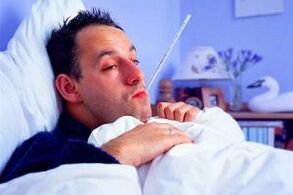
Symptoms of acute and chronic prostatitis in men appear slightly differently.The acute stage of the disease is characterized by local and general symptoms:
- General unrest.
- Tired.
- High body temperature - up to 40 degrees.
- Chills, fever.
- Weakness.
- Headache.
- Frequent urge to urinate, pain during urination.
- The urine stream is weak or completely absent because the prostate can compress the urethra.
- Acute pain in the perineum with varying intensity, in the groin area, lower abdomen - depending on the location of inflammation in the prostate compared to the rectum, bladder neck, urethra.
- The erection mechanism is temporarily disrupted and overall potency is reduced.
- A complex mental state of a person develops.
Only after the symptoms of acute prostatitis are accurately identified can the urologist prescribe the correct course of treatment for prostatitis.
Chronic prostatitis does not have symptoms as severe as the acute form.Usually, it is characterized by the absence of any obvious symptoms or has a mild course, mainly of a local nature.This may include:
- Persistent pain, mild pain in the perineum and surrounding areas.
- The pain may increase during sex, urination, and defecation.
- Frequently wanting to go to the toilet, constantly feeling like the bladder is not empty.
- Some discomfort during sex.
- Impaired sexual function and resulting impotence.

If unfavorable factors occur, the disease can worsen with all the subsequent consequences.As the inflammatory process spreads, other organs adjacent to the prostate are also involved: epididymis, seminal vesicles, urethra, etc., the clinical picture of the disease becomes diverse.
To choose the right course and treatment method for prostatitis of various causes, it is necessary to conduct a detailed diagnosis of the disease and make an accurate diagnosis.Currently, doctors have many different methods to detect this disease.They mainly include:
- digital prostate exam;
- analysis of prostate secretion;
- Bacterial urinalysis;
- general blood tests;
- Ultrasound of pelvic organs and prostate;
- magnetic nuclear tomography;
- urography;
- CT scan, etc.
Modern diagnostics helps not only to determine the presence of the disease in the male body, but also to determine its cause and form.
General principles of treatment of prostatitis
After making an accurate diagnosis, the urologist will devise an individual comprehensive program for the treatment of each patient, using modern methods of prostatitis treatment.It should be noted that long-term chronic prostatitis cannot be completely cured, but remission can be tried to prolong the disease for many years.Treatment of acute prostatitis, if all the doctor's recommendations are followed, will help the patient fully recover.
Complex treatment for various types of prostatitis may include different combinations of the following methods:
- immunomodulatory therapy;
- antibiotic treatment;
- hormone therapy;
- various physiotherapy procedures;
- prostate massage;
- lifestyle changes;
- surgery, etc.
Treatment for bacterial prostatitis will be different from non-bacterial prostatitis.In the first case, it is necessary to take a course on the use of antibiotics belonging to the group of fluoroquinolones, and in the second case a course on anti-inflammatory drugs.Treatment of chronic prostatitis of a bacterial nature will include the use of antibacterial therapy in combination with beta-blockers.Along with treating the underlying disease, the use of symptomatic medications, such as fever reducers and pain relievers, is often required.Severe forms of prostatitis are treated with hormonal therapy, but under constant supervision of a doctor during inpatient treatment.
Only a comprehensive treatment can provide permanent good results.Now, each area of prostatitis treatment needs to be discussed more thoroughly and specifically.
Antibacterial and hormonal therapy for prostatitis

As mentioned above, prostatitis often has an infectious nature.In this regard, an antibacterial course in the treatment of prostatitis is prescribed for every patient, with both acute and chronic diseases.Using antibiotics helps eliminate the main cause of inflammation.The following groups of drugs have been shown to be effective in treatment:
- tetracycline;
- macrolides;
- fluoroquinolone.
Alpha blockers are actively used in the treatment of prostatitis, aimed at reducing spasms of the pelvic organs, thereby reducing swelling of the prostate and preventing the return of secretions into this organ.As a result, inflammation in the organ itself will decrease.It is important to take the medicine for a long time - up to 8 months.
At the same time, to improve the patient's health, it is necessary to use antispasmodic and pain relievers.Indicated as an aid in the treatment of prostatitis with folk remedies: soothing herbs, fennel seeds, motherwort, valerian, etc.Microbial preparations made from decoctions of lemon balm or chamomile are well suited for these purposes.
It is important to undergo antibacterial therapy under the guidance of a specialist;Self-medication in this case is unacceptable.It can make the situation worse.Treatment of prostatitis with antibiotics requires complete elimination of alcohol.
It is known that the development and function of the prostate gland directly depends on hormones: estrogen and androgen.Therefore, treatment of prostatitis may include taking hormonal drugs to reduce the volume of the prostate and reduce the inflammatory process in it.
Herbal medicine and prostate massage
An important and indispensable part of the treatment of prostatitis is the use of direct prostate massage.The healing effects of this massage method are as follows:
- normalizes muscle tone of the prostate;
- improves blood supply to the prostate;
- enhances the effect of antibiotics;
- Rehabilitation of duct function, etc
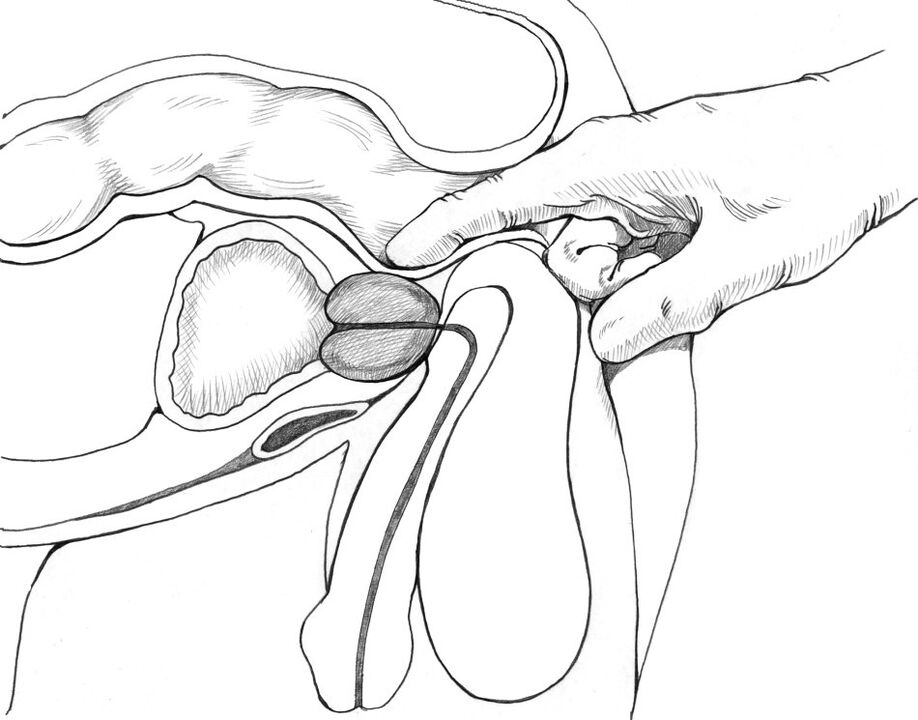
This procedure should only be trusted by a professional doctor in a specialized clinic.
The essence of the treatment procedure for prostatitis is as follows: the patient spreads his legs shoulder-width apart, leans forward and tries to relax.The specialist, using one hand to spread the patient's buttocks, carefully inserts the index finger of the other hand into the rectum and massages the prostate for a minute, performing pressing and stroking.Effective massage will involve the release of a few drops of secretions into the ducts.The prostate massage procedure is very painful, but it is simply irreplaceable in the treatment of prostatitis.However, prostate massage has some contraindications:
- prostate cancer;
- cyst;
- Prostate stones and some other types.
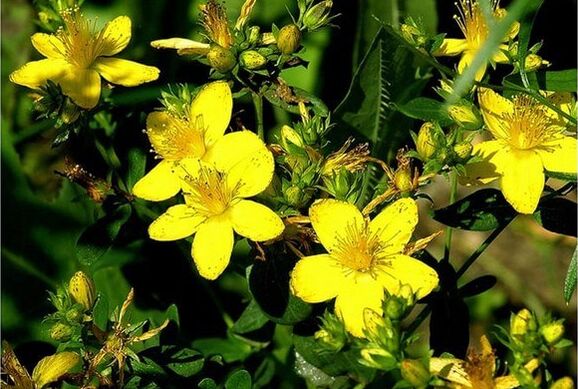
Herbal medicine in the treatment of prostatitis in men is an auxiliary method that works to bring about the final result.The essence of herbal medicine in the treatment of prostatitis is the external and internal use of infusions, juices, decoctions of medicinal plants, for example: calamus, St.John's wort, burdock, etc.This method has no negative side effects or negative effects on other organs.
Immunomodulation, physiotherapy and other treatments for prostatitis
Total restorative and immunomodulatory therapy is aimed at restoring the entire body, strengthening the immune system and preventing future manifestations of prostatitis.Doctors prescribe necessary vitamins, minerals and other substances that help increase immunity, especially for chronic diseases.
Physiotherapeutic methods for the treatment of prostatitis include actions aimed at activating blood circulation in the pelvic organs to enhance the effect of antibacterial therapy.These include:
- electrophoresis;
- electrophoresis;
- laser therapy;
- pulse current, etc.
At home, you can replace physical therapy with warm microphonic methods from decoctions.
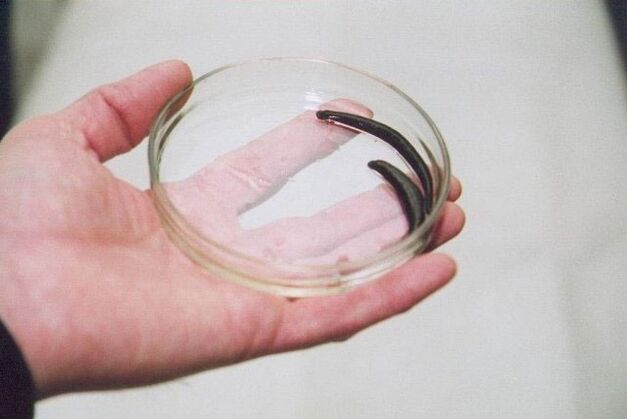
Currently, many alternative methods are used to treat and treat prostatitis, significantly expanding the possibilities of modern medicine and reducing recovery time.For example, hirudotherapy helps to eliminate blood stagnation in the pelvic organs, improves blood circulation and tissue nutrition.A course of nerve treatment will effectively reduce pain for the patient.
When treating prostatitis, it is imperative to lead a healthy lifestyle.To prevent the disease from returning after treatment of acute prostatitis or to stop the remission period with chronic prostatitis, you need to make significant adjustments in life, eliminating all the factors that cause this unpleasant disease.It is necessary to pay attention to regular walking, good sleep, avoiding stressful situations, proper nutrition, avoiding smoking and drinking alcohol, etc.
One of the treatment methods is surgery, which includes:
- radical prostatectomy;
- on seminal vesicles;
- Circumcision;
- urethral stricture;
- on the bladder neck, etc.
It is immediately worth noting that this radical method is extremely rarely used and is ineffective.Surgical intervention is indicated when prostatitis is treated in its old form, with many complications.This method of treating prostatitis is used in cases where conservative therapy does not bring significant results.
After treatment of prostatitis, the doctor must prescribe control tests, on the basis of which appropriate conclusions can be drawn.
Traditional treatment and prevention of prostatitis
If symptoms of this disease appear, you must consult a doctor and follow all his recommendations.Treatment of various types of prostatitis with traditional methods can only serve as an excellent addition to basic medical measures.Over the years, enough experience has been accumulated to get rid of this disease;everyone can always choose an acceptable option for themselves.The main condition for effective treatment of the disease, especially the chronic form, is the regular use of high-quality raw materials according to the prescribed formula.
You can consider several effective recipes designed to combat prostatitis:
- Propolis (200 g of any sunflower oil and 30 g of propolis are heated in a water bath, then lubricated in the perineum for 2 weeks).
- Honey (combined with the juice of medicinal plants, drink twice a day, 2 spoons each time).
- Pumpkin seeds (pumpkin seed powder, take 2 spoons before meals, twice a day).
Prevention after complex treatment of prostatitis can be considered not only proper nutrition, an active lifestyle, but also regular protected sex.
Therefore, the treatment of prostatitis in its various forms always includes a complex series of sequential measures.Only by strictly following all the instructions of a specialist can you achieve the desired result and get rid of this unpleasant disease.